
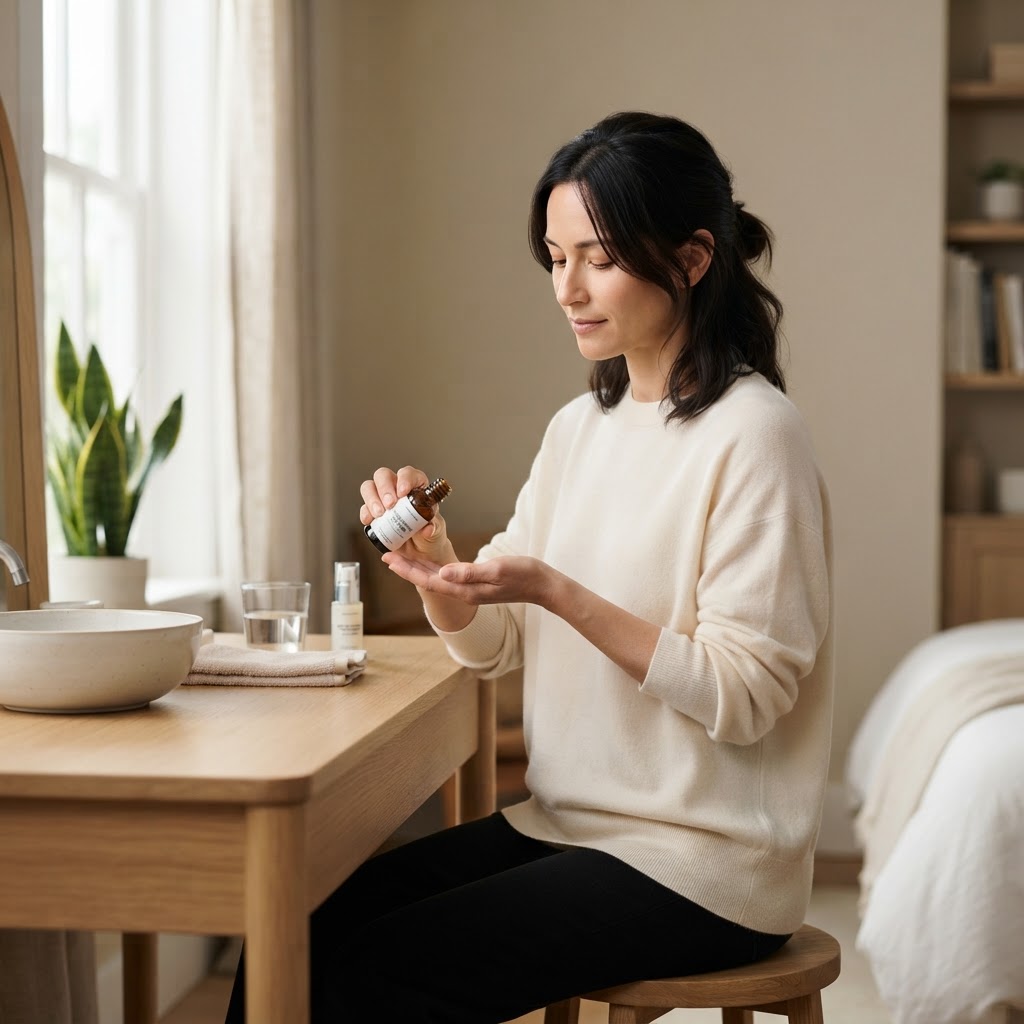
You have likely felt the sting of a 'too-active' routine: the redness, the unexplained breakouts, or that tight, uncomfortable feeling that persists no matter how much moisturizer you apply. In the pursuit of perfect skin, many of us have fallen into the compounding trap. We layer Vitamin C, retinol, exfoliating acids, and peptides, assuming that more products equal better results. In reality, this 'product layering' bloat often leads to a compromised skin barrier, rendering your expensive treatments ineffective and leaving your skin more reactive than when you started.
Identifying the Active Ingredient Overload
The skin barrier is your body’s first line of defense. When you stack multiple potent actives—especially those with exfoliating or drying properties—you risk weakening this barrier over time. According to dermatological insights, using multiple active ingredients simultaneously can create chemical interactions that reduce their individual effectiveness while significantly increasing the potential for irritation. When your skin is overwhelmed, it cannot properly absorb the ingredients you are paying for, leading to product buildup and wasted spend.
A routine isn’t minimalist just because it’s short; it becomes minimalist when each step is thoughtfully selected to meet your unique skin goals without irritation or overload.
The Ingredient Interdependency Matrix
To stop the cycle of over-engineering, you need a system to categorize your products by function. By mapping your current vanity against a hierarchy of repair, protect, and treat, you can identify redundant or conflicting assets. Use this framework to audit your collection:
- Repair: Focus on ceramides, hyaluronic acid, and niacinamide to strengthen the barrier.
- Protect: Prioritize SPF 30+ during the day to prevent environmental damage.
- Treat: Limit potent actives like retinoids or AHAs to one specific time of day or alternating nights to avoid chemical cross-reactivity.
- Eliminate: Remove products that serve the same function or cause immediate stinging.
Worked Example: From 7 Steps to 3
Consider a common 7-step evening routine: Cleanser, Toner, Vitamin C, Retinol, Exfoliating Serum, Peptide Cream, and Night Oil. This is a recipe for barrier damage. By applying the 'Baseline + Targeted' system, you can convert this into a high-performance 3-step routine:
- Step 1: Gentle Cleanser (Remove impurities without stripping).
- Step 2: Targeted Treatment (Choose ONE: either your Retinol OR your Exfoliating Serum, never both).
- Step 3: Barrier-Safe Moisturizer (Seal the skin with ceramides to support overnight recovery).
By separating your actives, you allow each one to function at its intended pH and concentration without interference. If you have medical skin conditions such as severe acne or rosacea, please note that these limitations do not apply in the same way; such conditions require dermatology-led prescriptions that override basic minimalism. Always consult a professional for clinical concerns.
Actionable Audit: Clean Up Your Vanity
To begin your audit, create a simple spreadsheet. List every product you currently own and categorize it as 'Repair,' 'Protect,' or 'Treat.' If you have three products in the 'Treat' category that all aim to exfoliate, you have identified your first point of redundancy. By removing the clutter and focusing on a consistent, objective-driven baseline, you will likely find that your skin becomes more resilient and your monthly beauty spend drops significantly. True skin health is found in the consistency of your habits, not the volume of your bottles.
